Loading...
Serving Palm Bay, FL and surrounding areas. (321) 294-0342
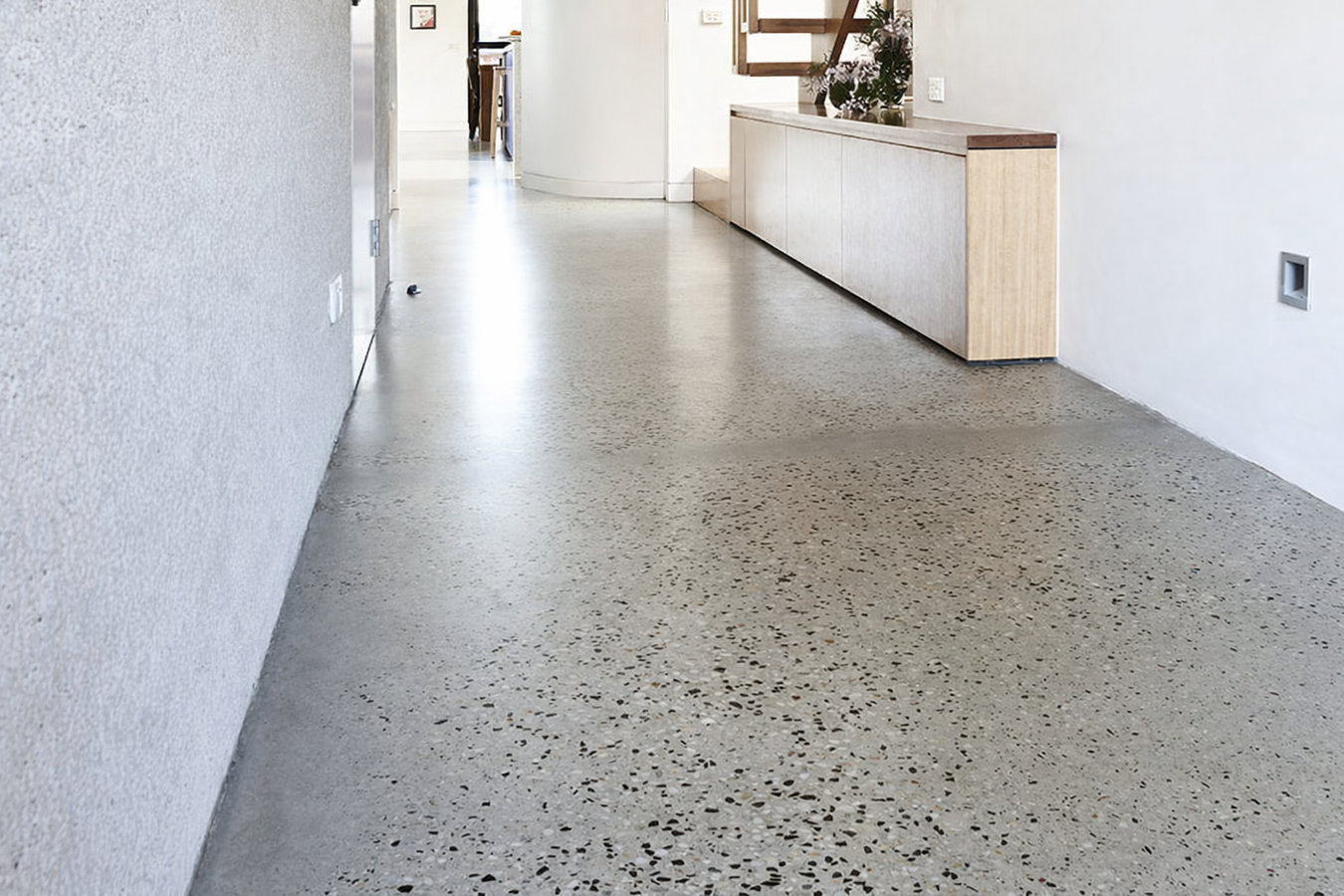
Cracked, uneven, or moisture-damaged floors are more than an eyesore. A properly poured concrete floor fixes the problem for decades - not months.
Concrete floor installation in Palm Bay starts with preparing the ground beneath the slab - removing old material, grading the soil, and compacting a base layer so the new concrete has something stable to rest on. The crew then pours and finishes the surface. Most residential projects take one to three days of active work, depending on the size of the area and whether existing concrete needs to come out first.
Palm Bay's sandy soil, summer heat, and proximity to a high water table in some neighborhoods all affect how a concrete floor needs to be installed here. A floor poured without accounting for local conditions can look fine for a year and then start cracking or showing moisture damage as the seasons change. Many homeowners who schedule a new floor also ask about garage floor concrete or pool deck surfaces - work we often schedule on the same visit to simplify the project for you.
Hairline cracks are normal in any concrete floor, but if you can see a gap wide enough to catch a broom bristle - or if one side of a crack sits higher than the other - the slab has moved beyond normal settling. In Palm Bay, this is often caused by sandy soil shifting beneath the slab, especially after a dry stretch followed by heavy rain. A contractor can assess whether repair or replacement is the right call.
White powdery residue on your concrete floor, or a musty smell that gets worse after it rains, usually means moisture is coming up through the slab from below. This is common in Palm Bay's lower-elevation neighborhoods where the water table sits close to the surface. Left alone, it can damage stored items and cause the surface to flake and deteriorate.
If you can feel a slope or a dip when you walk across your garage floor, or if water pools in one spot after you wash the floor, the slab has settled unevenly. This is more than cosmetic - uneven floors can make doors stick, create tripping hazards, and signal that the base underneath has shifted.
If the top surface of your concrete floor is peeling away in chunks or flakes - especially in areas that get wet regularly - the surface layer has broken down. In Palm Bay's heat and humidity, this often happens when a floor was sealed improperly or when moisture has been working its way through the slab for years. Once spalling reaches a certain point, a full replacement is the more cost-effective choice.
We install concrete floors for garages, additions, utility spaces, covered patios being converted to sunrooms, and any other area that needs a solid, durable slab. Our standard process includes base preparation with compacted crushed stone, setting forms, pouring and finishing the concrete, cutting control joints to guide where the slab naturally wants to crack, and sealing the surface on request. For homeowners in Palm Bay neighborhoods where the water table is close to the surface, we assess drainage and can recommend a vapor barrier beneath the slab to prevent moisture from working its way up over time. We also offer concrete pool decks and full garage floor concrete services for homeowners who want to tackle multiple surfaces at once.
Every floor project starts with a site visit before we give you a firm price. The condition of the existing base, any drainage issues on the property, and the size and use of the space all affect the scope of the work - and we want to know what we are working with before we quote you a number. We handle all required City of Palm Bay building permits and coordinate the inspection so you are not left managing paperwork or waiting on callbacks from the city.
The practical choice for garages, utility areas, and covered spaces - slightly textured to reduce slipping when wet, and easy to clean.
Popular in Florida homes for covered patios and sunrooms - holds up well in heat and humidity while adding color and character.
Suits homeowners who want a cleaner, stone-like appearance - best for finished interior spaces where the floor is part of the design.
Recommended for low-elevation Palm Bay neighborhoods where moisture rises through the slab - prevents efflorescence and protects any flooring installed on top.
Palm Bay sits on sandy, well-draining soils common throughout Brevard County's coastal plain. Sandy soil can shift and settle unevenly over time - especially after the cycle of dry spells followed by heavy rain that Palm Bay sees every year. That movement puts stress on a concrete slab from below. A good contractor here will compact the base material carefully and may recommend a thicker gravel layer underneath to give the slab more stable support than the native soil alone provides. Palm Bay's summer temperatures also regularly exceed 90 degrees, and the humidity stays high most of the year. Concrete poured in extreme heat can dry too fast on the surface before it has fully hardened underneath, which leads to surface cracking. Experienced local contractors schedule pours for early morning and use proper curing techniques that matter more here than in cooler climates. Homeowners in Cocoa and across Brevard County face the same soil and heat conditions, and our scheduling approach is the same throughout the area.
Parts of Palm Bay - particularly neighborhoods closer to the St. Johns River watershed - sit at low elevations where the water table can be close to the surface. A high water table increases the risk of moisture migrating up through a concrete slab over time, which can cause white chalky residue to appear, surface flaking, or damage to flooring installed on top of the concrete. A contractor familiar with local conditions will assess drainage and may recommend a vapor barrier beneath the slab. Near-daily afternoon thunderstorms from June through September also create scheduling pressure - crews here plan pours to finish well before the typical storm window, and homeowners should expect some schedule flexibility during storm season. Homeowners in West Melbourne deal with similar drainage and scheduling considerations, and we serve the full Brevard area.
We ask a few basic questions about the space, what it is currently used for, and what you are hoping to end up with - then schedule an in-person site visit. We reply within one business day and never give you a firm price without seeing the space first.
After the site visit, you receive a written estimate covering materials, labor, and any permit fees. For most new floor installations in Palm Bay, a city permit is required. We handle submitting the permit application before any work starts - plan for at least a few business days to a couple of weeks depending on current volume.
The crew arrives early - often before 7 a.m. - to pour before Palm Bay's afternoon heat and storms arrive. They finish remaining prep work, set forms, lay base material, then pour and finish the concrete. The active work usually wraps within a single day for most residential projects.
The curing period begins after the pour. You can walk on the surface within 24 to 48 hours, but we give you specific guidance on when to drive on it or place heavy items. Once cured and inspected, we do a final walkthrough explaining the control joints, sealing schedule, and how to keep your new floor in good shape.
We reply within one business day. Written estimate, permits handled, no pressure.
(321) 294-0342We schedule pours for early morning to beat the afternoon heat and storms, use proper curing techniques for high-humidity conditions, and compact the base carefully to account for Brevard County's sandy soil. A floor poured with these steps holds up through Florida's seasonal swings - one that is not may start cracking within a year.
In parts of Palm Bay where the water table sits close to the surface, we assess drainage before pouring and recommend a vapor barrier where needed. That step prevents the white chalky residue and surface flaking that show up when moisture works through a slab unchecked. It is the kind of local knowledge that prevents a callback six months after the pour.
Most new concrete floor installations in Palm Bay require a city building permit, and we handle the full process - application, coordination, and inspection. An unpermitted slab can create problems when you sell your home. We do not consider the job complete until the permit is closed out and you have a record of the passed inspection.
NaN and our reputation depends on that consistency.
Good concrete floor installation is mostly about preparation - the right base, the right timing, the right curing process - and that is where local experience shows. The National Ready Mixed Concrete Association sets quality standards for the concrete mixes we use, and the American Concrete Institute publishes the installation guides our process follows.
Resurface or pour a new pool deck that handles Florida's heat, UV exposure, and bare feet without cracking or flaking.
Learn MoreReplace or upgrade your garage slab with a properly poured and finished floor that holds up to vehicle weight and heat expansion.
Learn MoreCall today or request your free written estimate and we will get back to you within one business day.